
Internet Reputation Management: A Comprehensive Guide
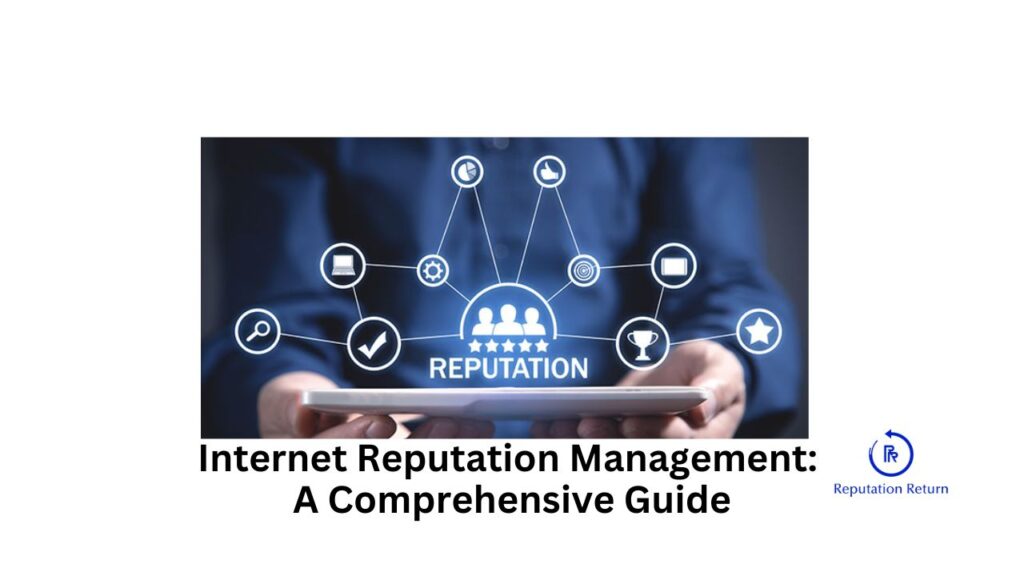
Internet reputation management is crucial in today’s digital age. Negative reviews, social media backlash, false information, and competitor attacks can severely damage a person’s or business’s online image. Effective strategies include monitoring online mentions, engaging with customers, creating positive content, and optimizing for search engines. A proactive approach involves building a strong online presence, encouraging positive reviews, and having a crisis management plan. Reputation management should be integrated with marketing strategies and leverage technology for efficient monitoring and response. Professional ORM services, like Reputation Return, offer expert guidance to help manage and improve your online reputation continuously.
Effective Online Image Management: Presenting Yourself in the Best Light
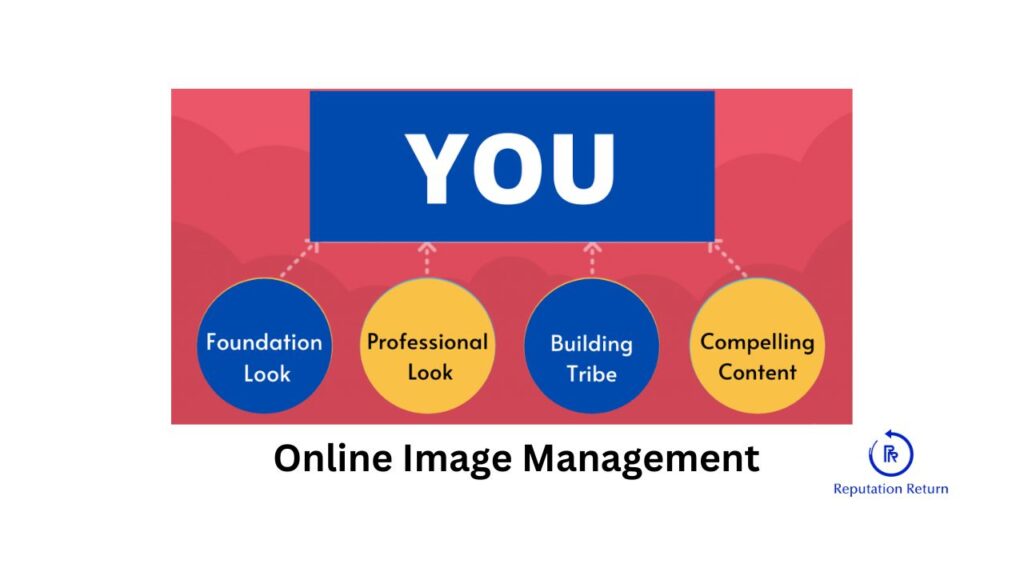
Managing your online image is essential. Start by auditing your online presence, identifying and removing any negative content. Build a strong personal brand with consistent, professional profiles and high-quality photos. Regularly post valuable content on social media and engage with your audience to create a positive image. Monitor your online reputation using tools like Google Alerts and BrandYourself. Address negative feedback professionally, showing that you value all input. For comprehensive management, consider hiring an online reputation management company like Reputation Return to develop and maintain a positive online image, ensuring you’re perceived in the best light.
The Importance of Proactive Reputation Management for Chiropractors

Chiropractors must implement a proactive reputation management campaign to mitigate malicious negative reviews, improve search engine ranking, and control the social narrative about their services. By monitoring online reviews, responding promptly to feedback, optimizing their website with relevant keywords, and maintaining an active social media presence, chiropractors can build trust and attract new patients. Encouraging satisfied patients to leave positive reviews enhances credibility and visibility. Engaging with the audience and addressing any negative feedback promptly ensures a positive online reputation, fostering patient loyalty and ensuring the long-term success of the practice.
Online Reputation Management for Spas

Spas must implement proactive reputation management to combat malicious negative reviews, boost search engine rankings, and control their social narrative. Negative reviews can deter clients, but timely responses and encouraging positive feedback can mitigate damage. Enhancing search engine visibility through SEO and local SEO is crucial for attracting new clients. Engaging with clients on social media, creating and sharing valuable content, and collaborating with influencers help maintain a positive image. Regular monitoring, staff training, and a crisis management plan are essential. Effective reputation management secures a spa’s future success in an increasingly digital world.
Why Local Restaurants Must Implement a Proactive Reputation Management Campaign

Local restaurants must prioritize proactive reputation management to combat negative reviews, enhance search engine rankings, and control their online narrative. Monitoring and responding to reviews promptly demonstrates commitment to customer satisfaction. Encouraging positive reviews and optimizing the restaurant’s website for local searches can improve visibility. Sharing engaging content and participating in community events helps build a positive online presence. Developing a crisis management plan ensures swift handling of negative publicity. Ultimately, a proactive approach fosters customer trust, loyalty, and competitive advantage, securing the restaurant’s reputation and success in a competitive market.
Dealing with Social Media Backlash from an Event and Rebuilding Your Reputation
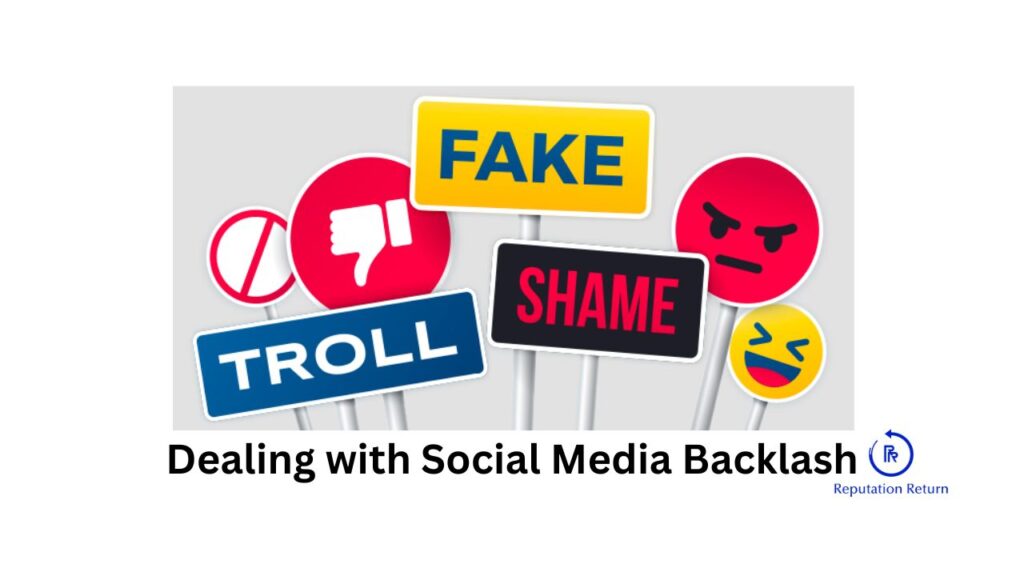
Dealing with social media backlash requires a swift, strategic approach. First, monitor all relevant platforms to understand the scope and sentiment of the backlash. Address the issue directly with a clear, transparent response, acknowledging any mistakes and outlining corrective actions. Engage with your audience calmly and empathetically, avoiding defensive or dismissive language. Legal action may be necessary for defamatory statements. Providing emotional support to affected team members is crucial. Leveraging online reputation management can help suppress negative content and promote positive narratives, ensuring long-term recovery and resilience. Prompt, transparent, and empathetic communication is key to managing and mitigating the impact.
Dealing with “Failure to Address Social or Environmental Issues” and the Corresponding Reputation Damage

Failing to address social or environmental issues can severely damage a company’s reputation. Immediate acknowledgment, transparent communication, and a robust action plan are crucial. Start by admitting the problem and outlining corrective steps, like transitioning to sustainable practices or engaging with affected communities. Conduct a thorough investigation to understand the issues and develop a detailed strategy to prevent recurrence. Leveraging online reputation management (ORM) is vital, including monitoring sentiment, suppressing negative content, and promoting positive narratives. ORM helps manage online perception, rebuild trust, and restore a positive image, ensuring long-term sustainability and success.
How to Deal with Ethical Misconduct Allegations
Dealing with ethical misconduct allegations is critical for any company. Start by acknowledging the issue and forming a response team. Conduct a thorough, impartial investigation, maintaining confidentiality throughout. Communicate transparently with employees and, if necessary, the public, emphasizing a commitment to ethical standards. Implement disciplinary actions and corrective measures based on findings, and strengthen policies and oversight mechanisms. Rebuild trust through transparent reporting and ethical audits. Engaging an online reputation management firm can help manage the company’s digital presence, suppress negative content, and promote positive narratives, aiding in reputation recovery and restoring stakeholder trust.
Dealing with Online Competitor Attacks: A Comprehensive Guide to Brand Recovery
Online competitor attacks, like fake reviews and false accusations, can severely damage a business’s reputation, eroding customer trust and impacting sales. Effective online reputation management (ORM) is crucial to combat these challenges. ORM involves continuous monitoring of online mentions, strategic responses to negative content, and the creation of positive content to overshadow the bad. Implementing a crisis management plan ensures quick and consistent responses, maintaining customer trust. By employing ORM and a robust crisis strategy, businesses can protect their reputation, restore customer confidence, and ensure long-term success despite malicious competitor actions.
Negative Impact of False Information and Rumors on Your Reputation (and an action plan)
False information and rumors can devastate an individual’s personal and professional life, leading to emotional distress, job loss, and financial setbacks. Implementing a crisis management reputation plan is crucial. This involves swift action to counteract misinformation, transparent communication to provide accurate information, and legal action if necessary. Monitoring online activity, crafting a clear response strategy, engaging with the audience, and promoting positive content are essential steps. Continuous monitoring and adjustments ensure the plan remains effective. By taking these steps, individuals can mitigate the damage caused by false information and rebuild their reputation.