
Does Clicking on Negative Content Make It Rank Higher on Google, Bing, or Yahoo?
Does Clicking on Negative Content Make It Rank Higher?
Yes, clicking on negative content can make it rank higher in search results. Google, Bing, and Yahoo consider click-through rate (CTR) as a significant ranking factor. Frequent clicks on negative links signal relevance, potentially boosting their rank. This can severely impact personal and business reputations, such as making it difficult to secure jobs or deterring customers.
Initiating a suppression campaign is crucial to combat this. Here’s how it works:
Create Positive Content: Publish engaging, relevant content highlighting your positive attributes, like blog posts, press releases, and testimonials.
Optimize Existing Content: Use keywords, meta tags, and backlinks to improve visibility.
Consistent Effort: Regularly update and add new positive content.
Real-world examples include business owners and public figures who successfully suppressed negative content by promoting positive activities and reviews. Starting a suppression campaign early helps prevent negative content from dominating search results, protecting your online reputation.
Mugshots Damage Your Online Reputation Badly

Learn how we can help you permanently, privately and confidentially remove your mug shot from google search results.
Removing Negative Rulings from Law Websites: A Legal Perspective
Removing negative rulings from law websites and Google search results involves a strategic approach to manage and improve your online reputation. This process typically includes requesting the removal of specific content from law websites, optimizing search engine results with positive content, and using legal and SEO techniques to suppress or eliminate negative information, ensuring a more favorable online presence.
Removing Personal Information from Google Search: A Complete Guide
Maintaining control over personal information online is crucial, especially for professionals like doctors. Here’s how to quickly remove personal info from Google:
Search Yourself: Identify the personal information you want to remove by searching your name on Google.
Contact Site Owners: Request removal of your data directly from the websites hosting it.
Use Google Tools: Use Google Search Console and the “Remove Outdated Content” tool to request the removal of outdated or sensitive information.
Opt-Out of Data Brokers: Visit data broker sites like Whitepages and Spokeo to opt out of having your data listed.
Monitor Regularly: Continuously monitor your online presence and set up Google Alerts for notifications when your name appears online.
Online Reputation Management for Doctors

Online reputation management is crucial for doctors as it significantly influences patient trust and decision-making. In today’s digital age, patients often turn to online reviews and ratings to evaluate healthcare providers before making appointments. A strong, positive online presence can enhance a doctor’s credibility, attract new patients, and foster loyalty among existing ones. Conversely, negative reviews or misinformation can damage a doctor’s reputation, potentially leading to a loss of patients and revenue. Effective online reputation management helps ensure that doctors’ professional achievements and patient care are accurately represented, maintaining their standing in the competitive healthcare industry.
News Story Removal and Suppression: What You Need to Know

Removing bad news articles from the internet can be challenging, but strategic actions can help mitigate their impact. First, contact the publication directly and request a retraction or correction, especially if the information is inaccurate or outdated. Provide evidence supporting your case to strengthen your request. If the publication refuses, consider seeking legal advice to explore options like defamation claims or court orders for removal.
Simultaneously, employ search engine optimization (SEO) techniques to push negative articles down in search results. Create and promote positive content, such as blog posts, press releases, and social media updates, highlighting your achievements and expertise. This helps to overshadow the negative news.
Deleting Unwanted Threads from Quora: A Comprehensive Guide
Removing hurtful Quora threads involves a few strategic steps. First, review Quora’s content policies to see if the thread violates any rules. If it does, report the thread by clicking the “Report” option and detailing the issue. Contact Quora’s moderation team through their help center for further assistance. If Quora doesn’t act and the content is particularly damaging, consider seeking legal advice. Meanwhile, counteract the negative impact by posting positive, accurate content about yourself to improve your online presence. These steps can help manage and reduce the harm from hurtful Quora threads.
Personal Reputation Management: Best Practices

Online reputation management is crucial in maintaining a positive digital presence. Key best practices include:
Regular Monitoring: Frequently search your name across search engines, social media platforms, and review sites to identify negative content. Set up Google Alerts to stay updated on new mentions.
Address Negative Content: When possible, contact the source to request removal of harmful or outdated information. If unsuccessful, use SEO strategies to push negative content down in search results.
Create Positive Content: Publish high-quality blog posts, articles, and social media updates that reflect well on you. Optimize this content with relevant keywords to ensure it ranks higher in search results.
Professional Social Media Management: Maintain a professional presence on social media by removing inappropriate posts and engaging positively with your network. Adjust privacy settings to control visibility.
Seek Expert Help: Consider hiring an online reputation management company to leverage their expertise in creating and promoting positive content, and handling SEO.
Removing Mugshots from Google Search: Step-by-Step

Removing or suppressing mug shots from Google and other search engines involves a multi-step process. First, contact the website hosting the mug shots and request their removal, often for a fee. If the site refuses, you can file a legal request with search engines to de-index the images. Additionally, create and promote positive content using SEO techniques to push the mug shots further down in search results. An online reputation company can help by employing expert strategies, managing SEO efforts, and creating positive content to effectively suppress negative search results, protecting and enhancing your online reputation.
Steps to Remove Unwanted Google Search Results
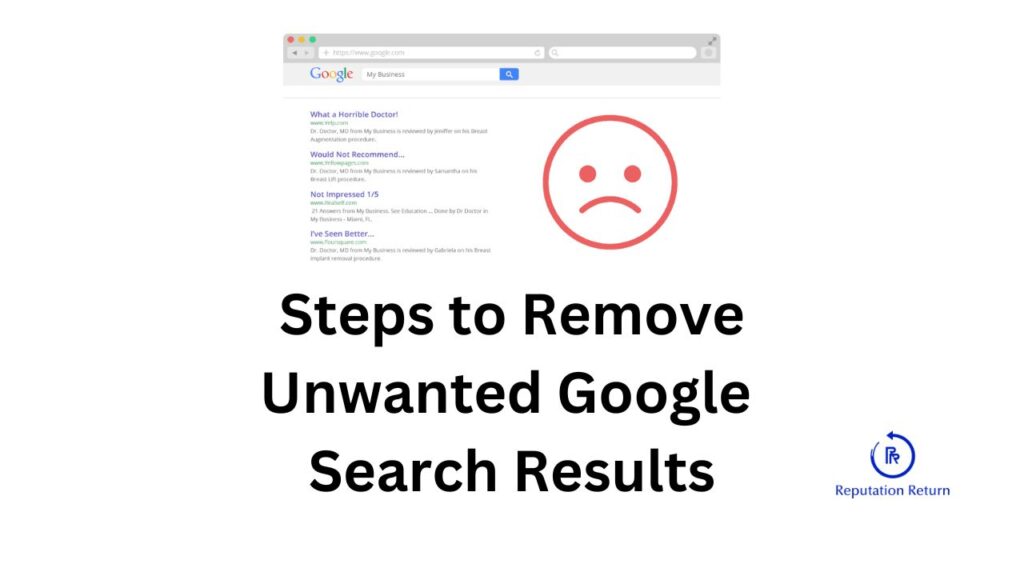
Removing unwanted Google search results involves several steps to protect your online reputation. First, contact the website owner and request the removal of the specific content. If this is unsuccessful, use Google’s removal tools to request the deletion of outdated or harmful content. For content that violates legal guidelines, consider filing a legal removal request with Google. Additionally, create and promote positive content about yourself or your business to push unwanted results down in search rankings. Employing SEO techniques and engaging in online reputation management can further enhance your digital presence and minimize the impact of unwanted search results.