
Building a Positive Public Image, Solid Brand, and Optimizing Reputation Management: A Comprehensive Guide for Realtors

For realtors, building a positive public image, solid brand, and effective reputation management are essential for success. A trustworthy image attracts clients, differentiates from competitors, and fosters professional relationships. Realtors should define their unique selling proposition, maintain consistent branding, and engage with clients through professional websites and content. Monitoring online presence, responding to reviews, addressing negative feedback, and leveraging social media are crucial for reputation management. Professionalism, continuous learning, and community involvement further enhance credibility. These strategies help realtors establish a strong, positive reputation, leading to increased client trust, visibility, and sustained success in the competitive real estate market.
The Impact of Malicious Lies, Slander, Defamation, and Disgruntled Clients on High-Profile Entrepreneurs

Entrepreneurs can manage their online reputation by monitoring their digital presence through tools like Google Alerts and social media platforms. Responding promptly and professionally to reviews and comments demonstrates accountability. Promoting positive content, such as success stories and client testimonials, helps counteract negative narratives. Engaging in SEO techniques ensures favorable content appears first in search results. Establishing strong media relationships can generate positive coverage. Addressing false information directly and, if necessary, pursuing legal action against defamation are crucial. Additionally, participating in community service and philanthropy enhances public perception. Hiring professional ORM services can provide comprehensive and tailored reputation management strategies.
The Impact of Bad Reviews, Slander, Defamation and Disgruntled Customers on Small Local Businesses

Negative reviews, slander, defamation, and disgruntled customers can severely impact small local businesses by eroding trust, reducing customer footfall, and causing financial loss. To mitigate these effects, business owners should monitor their online presence, respond professionally to reviews, encourage positive feedback, and address complaints offline. Improving business practices based on feedback and building a strong online and community presence are also crucial. Legal action may be necessary for slander or defamation. Hiring professional online reputation management services can help manage these tasks effectively, ensuring the business maintains a positive reputation and continues to attract and retain customers.
How Does a Service Business Optimize its Reputation?

Maintaining a service business’s reputation requires consistent, customer-focused efforts. Provide exceptional, reliable service and tailor it to meet customer needs. Build strong relationships through clear communication and follow-ups. Encourage positive online reviews, respond to all feedback professionally, and monitor review sites. Engage actively on social media, share valuable content, and promptly address complaints. Implement feedback systems to gather insights and improve services. Ensure a professional online presence with an updated website and accurate listings. Foster a positive brand image through community involvement and ethical practices. These strategies collectively enhance reputation and support long-term success.
The Impact of Poor Yelp Reviews on Restaurants Compared to Other Bad Press

A restaurant can fix bad Yelp reviews by responding promptly and professionally to each negative review, showing empathy and a willingness to improve. They should address specific complaints and offer solutions, such as inviting the reviewer back for a better experience. Implementing feedback from reviews to enhance service and food quality is crucial. Encouraging satisfied customers to leave positive reviews helps balance the overall rating. Regularly monitoring reviews and maintaining open communication with customers demonstrates a commitment to customer satisfaction, ultimately improving the restaurant’s reputation and attracting more patrons.
Overcoming Challenges After Incarceration: The Role of Online Reputation Management

Rebuilding life after incarceration involves overcoming employment barriers, social stigma, housing difficulties, and psychological impacts. Success stories highlight the importance of job training, support networks, therapy, and legal assistance. Online reputation management services, such as Reputation Return, help ex-inmates control their narrative by suppressing negative information and promoting positive content. These services also enhance privacy by removing sensitive information online. By managing their online reputation, former inmates can regain confidence, pursue job opportunities, and rebuild their lives, taking meaningful steps towards a brighter future.
Rebuilding Your Life After Incarceration

Rebuilding life after incarceration involves acknowledging past mistakes, seeking legal expungement, and creating a positive online presence. Strategies include hiring Online Reputation Management (ORM) professionals, engaging in education, networking, and volunteering. Examples like Michael Santos, Frank Abagnale, and Shaka Senghor show the potential for transformation through blogging, writing, and community engagement. These steps can improve employability, reduce social stigma, and foster personal growth, helping former inmates overcome their past and build successful futures. Their stories demonstrate that with support and proactive efforts, it’s possible to reshape one’s personal brand, public image, and reputation.
Personal Branding, Public Image, and Reputation Management for Accountants and CPAs

For accountants and CPAs, personal branding, public image, and reputation management are essential for business success. Personal branding highlights unique skills and expertise, while public image focuses on maintaining professionalism and community engagement. Reputation management involves monitoring online presence and handling crises effectively. These elements build trust, attract clients, and provide a competitive edge in a crowded market. Examples include showcasing certifications, engaging in community service, and promptly addressing negative reviews. Overall, a well-managed reputation ensures client retention and acquisition, enhances credibility, and helps withstand potential crises, securing long-term growth and client satisfaction in the accounting industry.
Personal Branding, Public Image, and Reputation Management for Hair Stylists: Keys to Success

ChatGPT
In the competitive hair and beauty industry, personal branding, public image, and reputation management are crucial for hair stylists. Personal branding highlights unique skills and styles, attracting clients seeking specific services. Public image, shaped by marketing and community involvement, builds trust and loyalty. Reputation management involves monitoring and responding to online feedback to maintain a positive perception. These elements collectively attract and retain clients, ensure satisfaction, and provide a competitive edge. Investing in these areas helps stylists differentiate themselves, build a loyal client base, and achieve long-term success in the market.
Personal Branding, Public Image, and Reputation Management for Restaurants
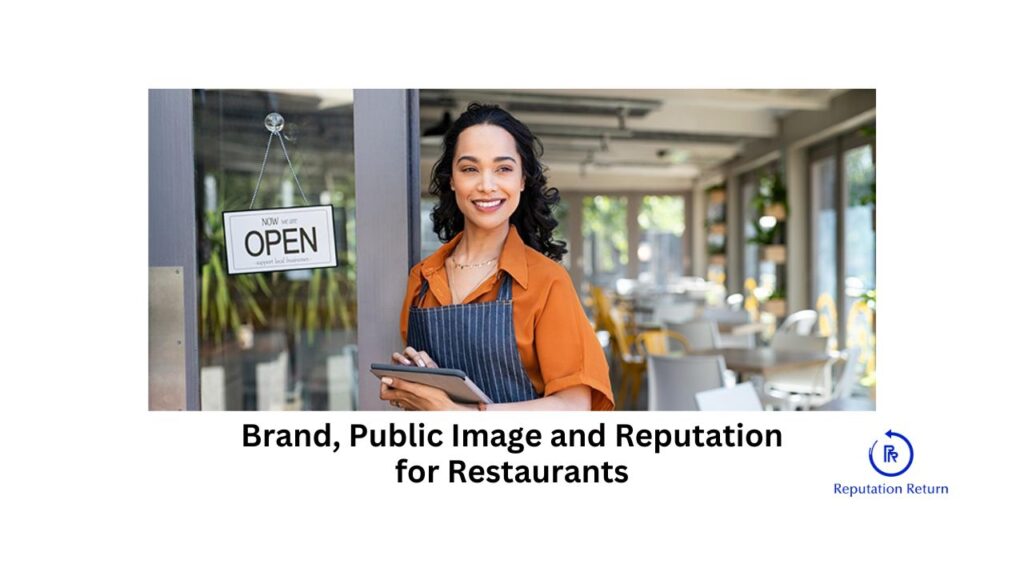
Personal branding, public image, and reputation management are vital for a restaurant’s success. Personal branding highlights unique aspects, such as a chef’s philosophy or the restaurant’s ethos, helping to attract a specific clientele. Public image, shaped by marketing and customer experiences, ensures the restaurant remains recognizable and trustworthy. Reputation management involves monitoring and responding to reviews, managing crises, and maintaining a positive online presence. For example, Shake Shack excels in reputation management by addressing customer feedback promptly. Integrating these strategies helps restaurants stand out, build customer loyalty, and foster a strong, positive presence in the competitive food industry.