
Personal Branding, Public Image, and Reputation Management for a Yoga Instructor

For yoga instructors, personal branding, public image, and reputation management are essential for success. Personal branding highlights unique qualities and specializations, setting instructors apart in a competitive market. Public image, shaped by social media and community involvement, enhances visibility and trust. Reputation management involves addressing feedback and maintaining positive interactions to foster loyalty and attract new students. For example, a yoga instructor can build a personal brand around eco-friendly practices, engage with students on social media, and address negative feedback promptly. Together, these elements ensure a thriving, respected yoga business.
Understanding Differences and Similarities of a Personal Brand, Public Image, and Online Reputation for a Private Investigator (PI)
A private investigator’s (PI) success hinges on a well-managed personal brand, public image, and reputation. A personal brand showcases unique skills and values, setting the PI apart from competitors. Public image is shaped by external perceptions, influenced by media, client interactions, and online presence. Reputation, built over time through consistent performance and ethical conduct, is crucial for client trust and business sustainability. All three are interconnected and vital for attracting and retaining clients. Online Reputation Management (ORM) plays a key role in monitoring feedback, managing social media, creating positive content, and handling crises to protect and enhance the PI’s professional standing.
Differences and Similarities of a Personal Brand, Public Image, and Reputation
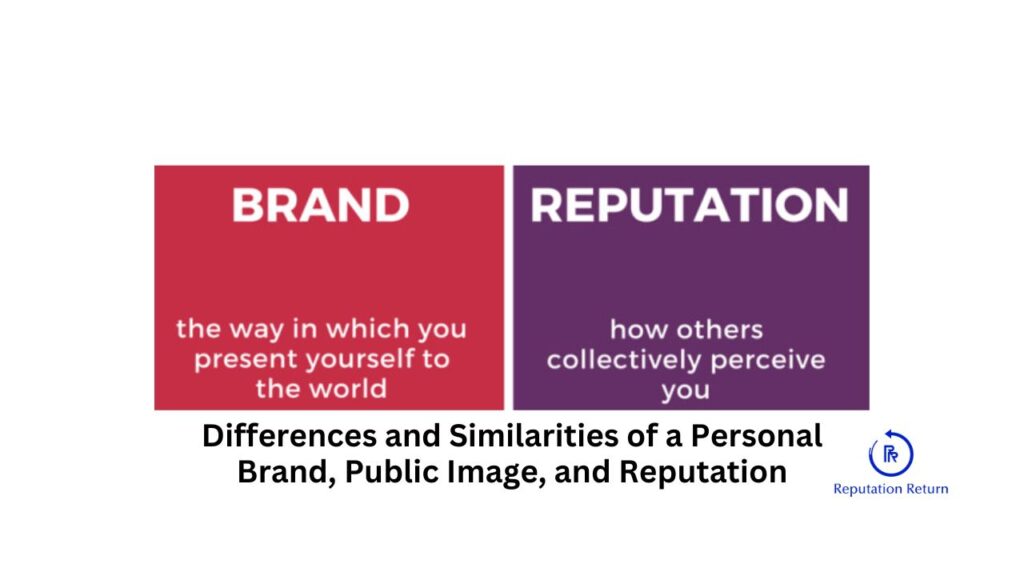
A personal brand reflects how individuals present themselves to the world, emphasizing unique skills, values, and experiences they wish to be recognized for. A public image is the perception others have of a person, shaped by media, public appearances, and social interactions. Reputation is the broader consensus about a person’s character and behavior over time, influenced by both personal and public actions.
While all three relate to how an individual is perceived, a personal brand is self-crafted, a public image is externally formed, and reputation is the long-term culmination of one’s actions and public interactions.
Online Reputation Management for the Fitness Industry
Online reputation management (ORM) is vital for fitness businesses to attract new clients and maintain a positive image. Key strategies include managing and responding to reviews, optimizing for search engines, and active social media engagement. For instance, addressing negative feedback by updating facilities and retraining staff can improve ratings. Encouraging positive reviews and removing false negative ones also enhance reputation. Effective ORM helps gyms build credibility, increase revenue, and retain clients by demonstrating commitment to customer satisfaction and continuous improvement. Implementing these strategies ensures a strong online presence, crucial for business growth in the competitive fitness industry.
Reputation Management for Gym Owners

Gym owners must prioritize reputation management to attract and retain members and maintain a strong brand. Strategies include monitoring reviews on Google My Business, Yelp, and social media, encouraging positive reviews, and promptly addressing feedback. Maintaining high service standards and community engagement further enhance reputation. An example is a gym implementing an anonymous feedback system and organizing community events to foster positive online and offline perceptions. Negative feedback can cause stress and anxiety, making prompt resolution crucial. Legal measures like DMCA takedown requests and hiring an ORM company like Reputation Return can effectively manage online defamation and protect the gym’s reputation.
Rapid Response to Handling Negative Press and Online Defamation

To swiftly address negative press and online defamation, start by monitoring your online presence with tools like Google Alerts. Assess the situation to determine its severity and develop a tailored response strategy. Utilize positive content and SEO to counteract negative information. Engaging transparently and professionally is crucial. For severe cases, consult legal professionals or ORM services like Reputation Return. They specialize in content removal, SEO optimization, and crisis management. Building a supportive community and learning from each experience will strengthen your future response strategies, helping you to effectively manage and mitigate the impact of online defamation.
Places Online Where Legal Records Can Be Found

egal records can be found on government websites, background check services, public records search engines, legal information websites, and social media. Their public availability can cause significant emotional damage, including anxiety, depression, social isolation, anger, and impaired self-esteem. Using DMCA takedown requests can sometimes help remove such content. Hiring an online reputation management (ORM) company like Reputation Return can offer comprehensive services to monitor, manage, and improve your online presence, helping mitigate the negative impact of public legal records and restore your reputation.
Top Reasons for Reputation Crises and Their Psychological Impact

A reputation crisis can arise from negative reviews, social media blunders, legal issues, data breaches, false accusations, poor customer service, and unethical behavior. These crises can cause significant psychological harm, including stress, anxiety, depression, isolation, anger, and impaired performance. Reputation Return, an online reputation management company, helps by monitoring online mentions, removing harmful content, promoting positive content, optimizing SEO, managing reviews, and providing ongoing support. Their comprehensive services restore positive online presence, reducing stress and allowing individuals and businesses to focus on growth and success.
Strategies to Enhance Personal Brand Reputation Online

To enhance your personal brand reputation online after facing slander, defamation, or negative reviews, start by monitoring your online presence using tools like Google Alerts. Respond professionally to negative content and encourage satisfied clients to leave positive reviews. Create and promote positive content, optimize your online profiles, and engage in online communities. Utilize SEO techniques to push down negative content in search results. If needed, seek professional ORM services or legal assistance. Maintaining a long-term strategy is crucial. Consistent efforts will help you build a positive, respected online presence over time.
DMCA Takedown Notice for Trademark Infringement

A DMCA takedown notice can address trademark infringement when unauthorized use of a trademark leads to consumer confusion. Trademark owners identify the infringing content, submit a detailed notice to the online service provider, and request removal. If the alleged infringer files a counter-notice, content is restored unless a lawsuit ensues. Companies like Amazon and brands like Nike have used DMCA takedown notices to combat counterfeit products and unauthorized use of trademarks on various platforms, protecting their brand integrity. Services like Reputation Return assist in navigating these processes, safeguarding brands in the digital landscape.