
How DMCA Takedown Notices Address Online Slander and Defamation
DMCA takedown notices primarily address copyright infringement but can also aid in managing online slander and defamation. When defamatory content uses copyrighted material, such as images or text, a DMCA notice can request its removal, thereby mitigating the spread of harmful content. For example, if a defamatory post uses copyrighted photos, a DMCA takedown can eliminate those images, reducing the post’s impact. While not a complete solution for defamation, DMCA takedowns are a useful tool in reputation management. Companies like Reputation Return can assist further in removing defamatory content and protecting online reputations.
Understanding DMCA Takedown Notice Requirements
A DMCA takedown notice is a formal request to remove copyrighted material found online without authorization. For a notice to be valid, it must include: identification of the copyrighted work and the infringing material, contact information of the complainant, a good faith statement asserting unauthorized use, a statement of accuracy, and a signature. This process also intersects with online defamation when copyrighted material is used to spread harmful content. By meeting these requirements, copyright owners can effectively request the removal of infringing content and protect their intellectual property and personal reputation.
The Serious Mental and Emotional Toll of Online Slander and Defamation
Online slander and defamation can severely impact mental and emotional well-being. False statements spread rapidly on the internet, leading to feelings of helplessness, anxiety, and depression. Victims often experience psychological distress, social withdrawal, and a decline in self-esteem due to continuous attacks. Professional reputation management services like “Reputation Return” help mitigate these effects by removing or suppressing negative content and promoting positive information. They use strategic SEO techniques to push down harmful content and create high-quality positive content to restore reputations. Reputation Return’s comprehensive services allow victims to regain control and find peace of mind by protecting and enhancing their online presence.
What is Brand Reputation Ranking?
Brand reputation ranking measures how a brand is perceived by customers and the public, analyzing factors like customer reviews, social media presence, media coverage, and public sentiment. High rankings lead to increased trust, loyalty, and competitive advantage. To enhance brand reputation, deliver excellent customer service, engage on social media, manage online reviews, maintain positive media relations, optimize online presence, and monitor public sentiment. Benefits include higher sales, revenue, and attracting top talent. Actively managing these elements ensures a strong reputation, differentiating the brand from competitors and driving long-term success.
The Ultimate Online Reputation Checklist for Businesses and Individuals
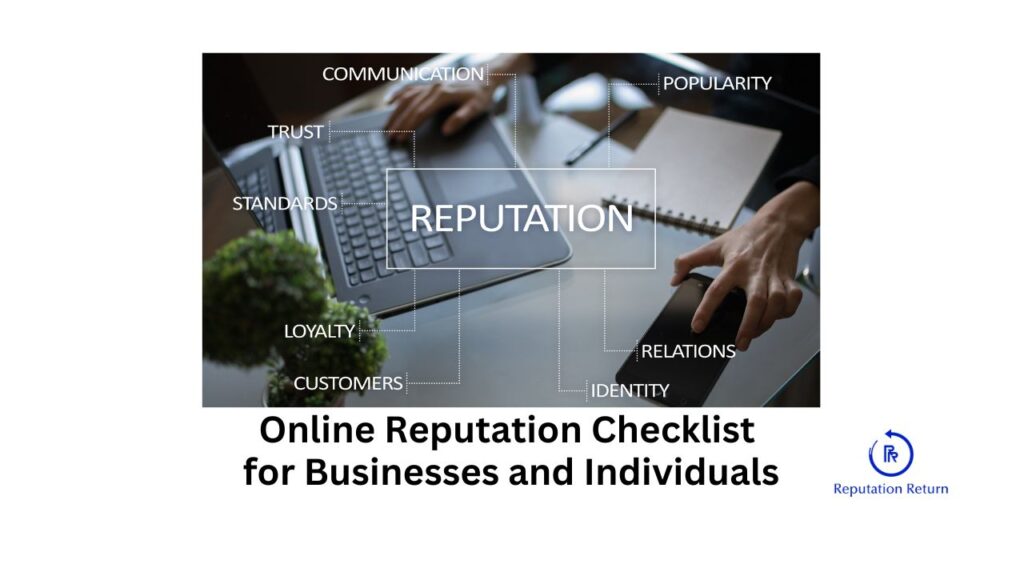
Maintaining a positive online reputation is crucial in the digital age. Start by auditing your online presence and monitoring it with tools like Google Alerts and Hootsuite. Optimize all online profiles for professionalism and accuracy. Generate positive content through blogging, social media posts, and press releases. Engage actively with your audience by responding to reviews and comments. Encourage satisfied customers to leave positive reviews and address negative feedback promptly and professionally. Implement a crisis management plan to handle potential issues effectively. Utilize SEO strategies to control search results, and regularly review and update your reputation management strategies to stay current and effective.
Understanding the Different Types of Online Reputation Management

Online Reputation Management (ORM) is crucial for individuals and businesses in today’s digital age to maintain a positive online presence. It involves various strategies, including SEO-based ORM to push down negative search results, content-based ORM to create and promote positive content, social media ORM to engage with audiences on social platforms, review-based ORM to manage reviews on sites like Yelp and Google Reviews, and PR-based ORM to generate positive media coverage. Effective ORM can increase trust and credibility, enhance brand image, improve customer acquisition and retention, boost search engine rankings, aid in crisis management, and ensure long-term success.
How to Use SEO as Part of a Reputation Crisis
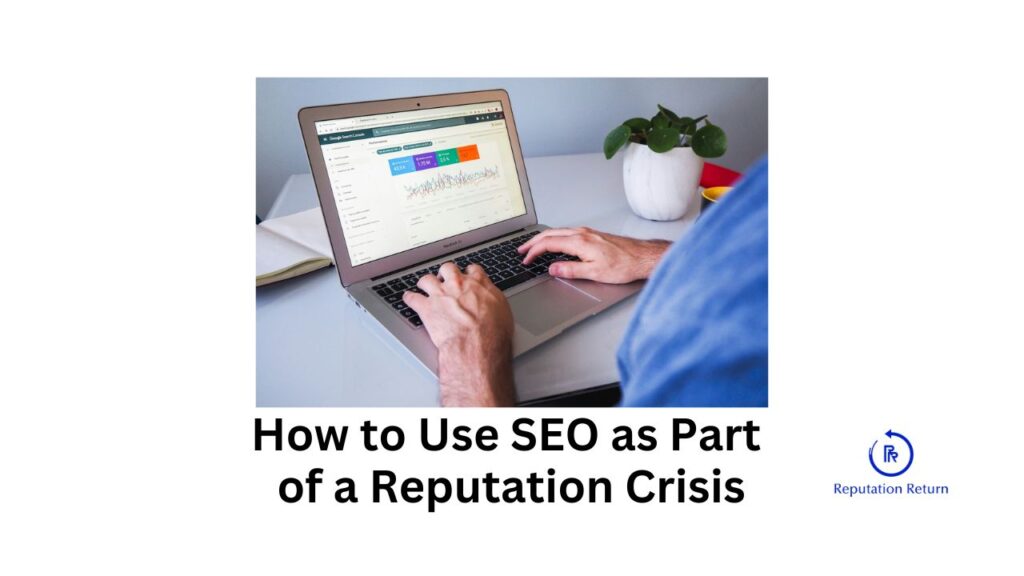
Strategic SEO is essential for individuals facing an online reputation management crisis. It helps suppress negative content by promoting optimized positive information to rank higher in search results. By targeting specific keywords and building authoritative backlinks, positive content can overshadow damaging articles or reviews. Optimizing social media profiles and using multimedia enhances visibility. Regularly updating content keeps it relevant and prominent. Local SEO ensures favorable local search results. Continuous monitoring and analytics allow for timely adjustments. Overall, strategic SEO improves online presence and helps manage and recover from reputation crises effectively.
Public Officials: The Importance of Proactive Online Reputation Management
Public officials, such as police chiefs and military leaders, are frequently under public scrutiny. Proactive online reputation management (ORM) is essential for maintaining trust and effectively managing crises. Continuous monitoring of online content allows for early threat detection and timely responses to negative incidents. Building a reservoir of positive content and engaging with constituents fosters a supportive online community. SEO ensures positive information ranks higher in search results, countering negative stories. By investing in ORM, public officials can sustain public trust, enhance career longevity, and maintain their influence, ultimately ensuring effective leadership and resilience against potential crises.
Athletes: Managing Reputation On and Off the Field

Athletes face intense scrutiny both on and off the field, making proactive online reputation management (ORM) essential. An effective ORM strategy involves continuous monitoring, positive content creation, crisis management, and social media oversight. For example, if an athlete faces misconduct allegations, ORM can quickly respond and manage the narrative. Positive stories about community involvement can enhance their image, while SEO strategies ensure favorable content ranks higher than negative news. By partnering with an ORM company, athletes can maintain a strong public image, secure more endorsements, and foster fan loyalty, ensuring career longevity and mitigating the impact of controversies.
Entrepreneur Reputation Management Plans

Entrepreneurs, especially those who are the face of their brand, face significant reputation risks. Online reputation management (ORM) is crucial for mitigating these risks. ORM involves continuous monitoring, positive content creation, and search engine optimization (SEO) to ensure a favorable online presence. ORM companies also offer crisis management to handle negative publicity and legal assistance for defamation issues. By implementing a proactive ORM strategy, entrepreneurs can enhance credibility, build customer loyalty, and maintain investor confidence. This approach safeguards their personal and professional image, ensuring long-term success and resilience in a competitive market.